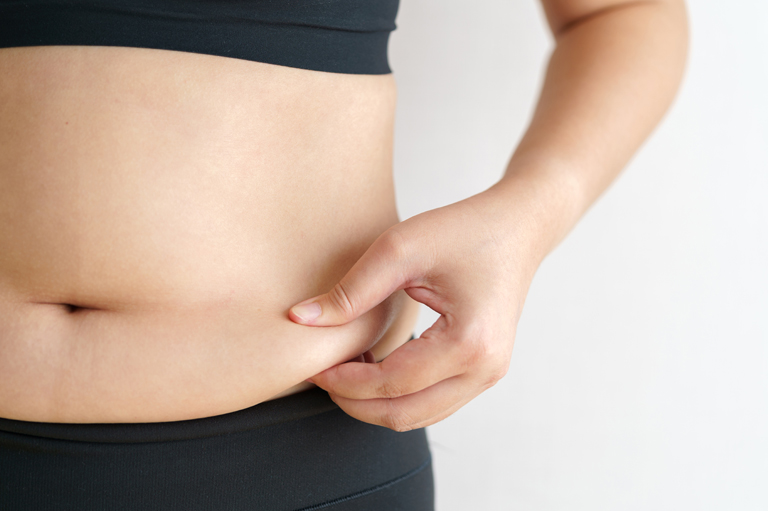
- Lower belly fat is often resistant to diet and exercise alone due to genetics, hormones, aging, and pregnancy, so stubborn pockets are common even in people who eat well and stay active.
- Options range from medically supervised weight loss and non-surgical treatments like CoolSculpting® to surgical solutions like liposuction (for fat) or a tummy tuck (for fat plus loose skin).
- The right approach depends on your goals and anatomy, and a consultation with Dr. Neil Zemmel can help determine the best plan for you.
If you’ve tried every diet and exercise approach you can think of, and still can’t seem to shift that pocket of fat in your lower abdomen, you’re not alone. Lower belly fat is one of the most common concerns patients bring up during consultations, and it’s also one of the most misunderstood. The truth is, this area is simply more resistant to diet and exercise than other parts of the body, and for many people, genetics, hormones, age, and prior pregnancies all play a role in why it sticks around no matter how hard they work.
The good news is that stubborn lower belly fat doesn’t have to be a permanent fixture. There are several proven paths forward, ranging from physician-supervised weight loss to targeted surgical and non-surgical body contouring, and the right one depends on your goals, your anatomy, and how much of the concern is fat versus loose skin.
Why This Area Is So Difficult to Change
Fat cells in the lower abdomen tend to be more metabolically stubborn than fat elsewhere in the body. Hormonal shifts, particularly those related to aging and pregnancy, can cause the body to store fat preferentially in this region. Add in factors like a slower metabolism, stress, and genetics, and you have an area that often doesn’t respond the way people expect, even when they’re doing everything right. This is why so many patients who eat well and exercise regularly still struggle with a lower belly pooch that just won’t budge.
Start With the Basics
Before considering any procedure, it’s worth making sure diet and exercise are dialed in. For patients carrying more significant excess weight, medically supervised weight loss, such as GLP-1 medications like Wegovy® and Zepbound™, can be a helpful option to explore with a provider. Richmond Aesthetic Weight Loss offers this as part of a broader treatment plan, and studies show these medications can produce meaningful results.
As with any medication, results vary, and they tend to work best alongside consistent healthy habits rather than as a stand-alone fix. It’s also worth keeping in mind that once you stop the medication, your appetite may gradually return to baseline, so habits built during treatment matter for the long run.
When Diet, Exercise, and Weight Loss Medication Aren’t Enough: Non-Surgical Options
For patients who are close to their goal weight, whether through lifestyle changes or a physician-supervised program, but still have isolated pockets of fat that won’t respond, non-surgical fat reduction can be a great next option. CoolSculpting® is one of the most popular choices for this. It’s a non-surgical treatment that uses controlled cooling to freeze and gradually eliminate stubborn fat cells, and while it’s often discussed for love handles, the same technology can be used to target the lower abdomen. It requires no downtime and can be a good fit for people who want a subtle, gradual improvement without surgery.
Liposuction: Targeted, Surgical Fat Removal
When fat in the lower belly is more stubborn or more significant, liposuction is often the most effective solution. Liposuction is a surgical procedure that recontours the body by removing unwanted fat deposits from targeted areas, and it can effectively remove stubborn fat deposits from the abdomen and other areas, offering smoother, more sculpted contours.
Dr. Neil Zemmel uses advanced techniques, including tumescent and ultrasound-assisted liposuction, to help patients achieve precise, natural-looking results. It’s important to understand, however, that liposuction is not designed for significant weight loss. Ideal candidates are already close to their goal weight, whether they got there through lifestyle changes or a medically supervised program, and are looking to refine specific areas.
One thing liposuction can’t address is loose or sagging skin. While liposuction removes excess fat, it does not address skin laxity, and patients with poor skin elasticity may experience some sagging afterward, which can require additional treatments.
When Skin Laxity Is Part of the Picture
If your lower belly concern includes loose skin, whether from pregnancy, aging, or a significant weight loss journey, a tummy tuck may be the better solution. Abdominoplasty is a surgical procedure that removes excess skin around the abdomen and, in some cases, tightens the abdominal muscles, and it’s often combined with liposuction to further sculpt the midsection.
For patients whose fat and skin concerns are limited to below the belly button, a mini abdominoplasty may be enough, while those with more extensive concerns, often patients who have lost significant weight through GLP-1 medications or bariatric surgery, may benefit from a full or even fleur-de-lis abdominoplasty.
Finding the Right Plan for You
There’s no single answer to stubborn lower belly fat because everyone’s body, goals, and history are different. The best way to figure out your path forward is a consultation where your anatomy, weight history, and goals can be evaluated together.
Dr. Neil Zemmel and his team at Richmond Aesthetic Surgery take the time to build a personalized plan, whether that means starting with physician-supervised weight loss, moving to a non-surgical fat reduction treatment, or pursuing a surgical procedure like liposuction or a tummy tuck.
If lower belly fat has been holding you back from feeling confident in your body, reach out to schedule a consultation and find out which option, or combination of options, makes the most sense for you.